How to Be an Exceptional Au Pair: 10 Tips Host Families Love
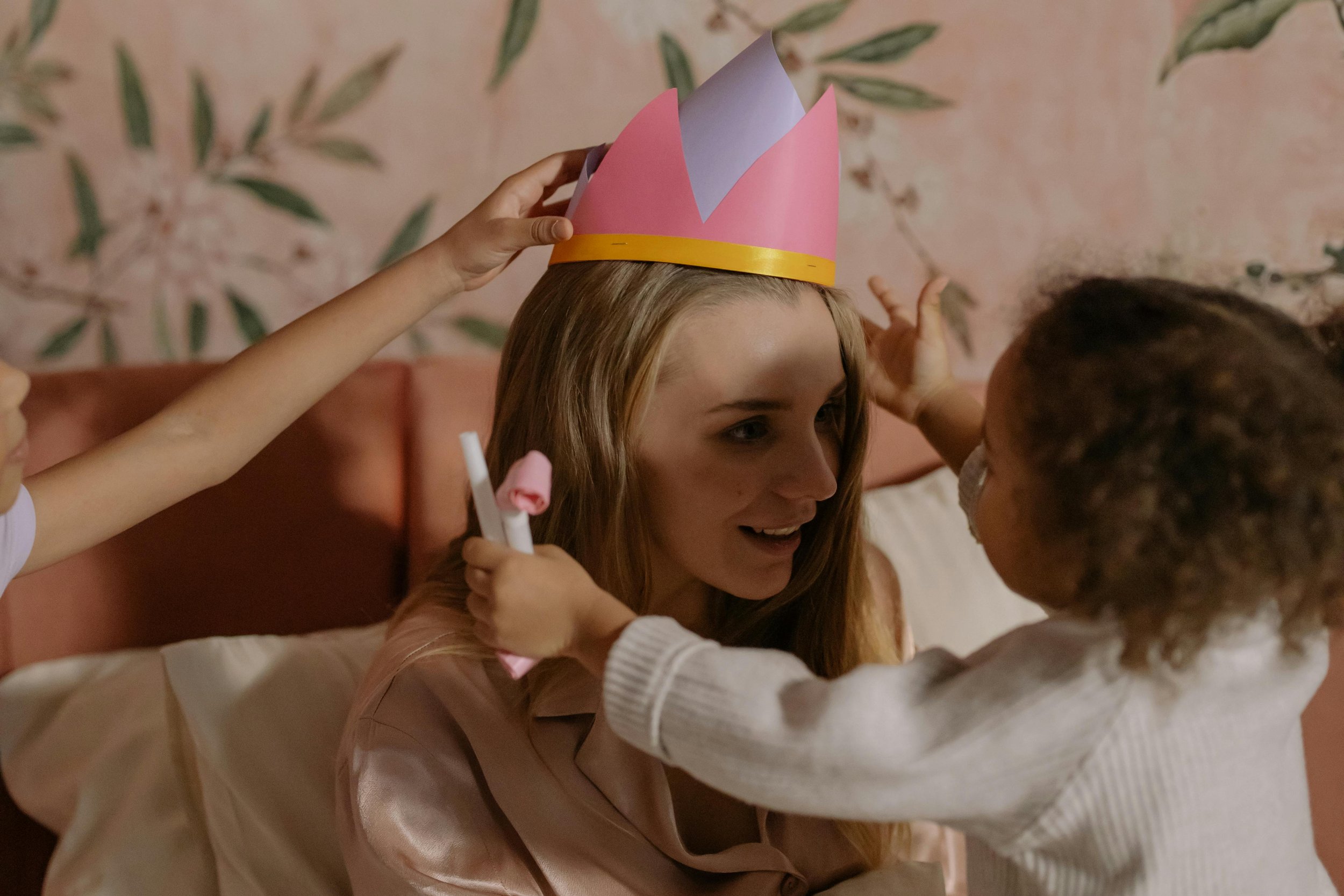
Being an au pair is about far more than simply supervising children. It’s about becoming a trusted part of a family’s daily life, helping children grow and thrive, and creating a positive, supportive atmosphere within the home.
But the most successful au pairs are those who go beyond the basics and approach the experience with thoughtfulness, creativity, organization, initiative, and care.
Whether you’re preparing for your first placement or looking to strengthen your skills, these tips will help you become a standout au pair, build strong relationships with your host family, support the children in meaningful ways, and feel more confident in your role.
1. Start Your Placement with a Thoughtful Gesture
A small gift upon arrival is a thoughtful way to introduce yourself and show appreciation to your host family for welcoming you into their home and daily lives.
If you learned during the interview process that the children enjoy reading, puzzles, sports, or animals, consider bringing a small, inexpensive gift connected to their interests. Snacks, sweets, or cultural souvenirs specific to where you are from are also lovely ways to share a part of your background.
One of our Canadian au pairs brought maple syrup for her host parents and small stuffed animals - a moose and a beaver - for the children. It became an instant conversation starter and helped the children feel excited about getting to know her.
These small gestures help build connection early on and create a positive start to the placement.
2. Be Proactive with Weekly Check-Ins
Strong communication is one of the biggest factors in a successful au pair experience.
One of the best habits you can develop is organizing regular weekly or fortnightly check-ins with your host parents. If you take the initiative to schedule these conversations, it demonstrates responsibility, professionalism, and maturity.
These chats can be casual - perhaps over tea or coffee - and are a good opportunity to discuss:
What went well during the week
Any challenges or concerns
Changes to schedules or routines
Upcoming plans or activities
New milestones or skills the children are developing
Many au pairs also find shared calendars or log books helpful for staying organized and keeping everyone on the same page.
3. Keep an Au Pair Planner or Organizer
Exceptional au pairs are usually highly organized behind the scenes.
A planner, notebook, or phone organizer can help you keep track of:
Duties and responsibilities explained during initial training
Children’s routines and schedules
School events and appointments
Playdates and activities
Activity ideas
Supplies needed
Notes or questions for your next check-in
Staying organized reduces stress, helps routines run smoothly, and makes it easier to adapt when family schedules change unexpectedly.
4. Always Be Prepared with a “Go Bag”
Experienced au pairs know preparation makes outings much smoother.
A well-stocked backpack helps you stay ready for busy days out, park visits, school pickups, or unexpected situations. Any kind of bag works, but a backpack helps keep your hands free for safety and practicality.
Useful items may include:
First Aid & Safety
Band-aids and disinfectant wipes
Tweezers
Parent-approved allergy or medications if required
Daily Essentials
Snacks, juice boxes, and water bottles
Wet wipes and diapers if needed
Spare clothing
Entertainment & Activities
Colouring supplies
Small toys or games
Books or quiet activities
Seasonal Items
Sunscreen and hats in summer
Warm gloves and hats in winter
A thin picnic or beach blanket
Being prepared allows outings to stay relaxed and enjoyable. Always let your host parents know your plan for outings in advance.
5. Establish Safety Plans During Outings
Whenever you visit busy places such as parks, beaches, zoos, pools, or city centres, it’s important to plan ahead for safety.
Before arriving:
Agree on a meeting place in case anyone gets separated
Teach children which adults they can approach for help (lifeguards, staff members, attendants, etc.)
Dress children in bright or easily visible clothing
Depending on the child’s age, some au pairs also place a small card with emergency contact details in the child’s pocket or bag.
Clear safety routines help children feel more secure and allow everyone to enjoy outings more confidently.
6. Choose Practical and Comfortable Clothing
Working with children is active, messy, and unpredictable. You’ll spend your days bending, lifting, sitting on floors, running outdoors, cooking, crafting, and cleaning up.
When packing for your placement, choose clothing that is:
Comfortable and easy to move around in
Easy to wash
Suitable for active days and changing weather
Comfortable shoes with good grip are especially important.
At the same time, remember you’ll often interact with parents, teachers, and other caregivers during school pickups and activities. Aim for clothing that feels practical while still looking neat and presentable.
Avoid clothing that is:
Very short
Low-cut or revealing
Difficult to move around in comfortably
7. Help Keep Craft and Activity Supplies Ready and Organized
Children’s activities run much more smoothly when supplies are easy to find, organized, and ready to use.
Exceptional au pairs often help keep art materials, games, baking supplies, outdoor toys, and activity items tidy, stocked, and accessible.
Useful supplies to keep on hand may include:
Paper, markers, glue, paint, and colouring supplies
Sensory play items or simple craft materials
Baking ingredients and outdoor activity supplies
It’s also helpful to keep a running list of supplies that are running low and communicate this to the host parents before activities or school projects come up unexpectedly. Some families may prefer that purchases be discussed and approved in advance and reimbursed with a receipt.
Simple organization systems - such as labeled bins, folders, or designated craft drawers - can make activities easier to set up and encourage children to help tidy up afterwards.
Having supplies readily available makes it much easier to transition between activities, respond to changing moods, or quickly create engaging rainy-day activities.
8. Turn Chores Into Learning Moments
Children learn valuable life skills through everyday routines.
Exceptional au pairs often turn simple household tasks into fun, age-appropriate learning opportunities that encourage independence and responsibility.
For example:
Sorting laundry into lights and darks
Turning toy or activity cleanup into a race or game
Encouraging children to help make beds or organize their belongings
Fluffing pillows and making their bed
These small moments help children build confidence while also creating a more cooperative household environment.
9. Support Children’s Learning Through Play
One of the most meaningful things an au pair can do is support children’s development through everyday activities and play.
Exceptional au pairs look for opportunities to help children grow academically, socially, emotionally, and creatively in ways that feel natural and fun.
Some simple examples include:
Reading and storytelling to build literacy skills
Baking and cooking to practice counting and measuring
Word games and scavenger hunts to develop vocabulary
Strategy games to encourage problem-solving
Pouring or transfer activities to strengthen coordination and motor skills
When learning feels playful and engaging, children naturally build confidence, curiosity, and independence.
10. Stay Inspired with New Activities and Ideas
The best au pairs are proactive and consistently look for new ways to keep children engaged, curious, and excited.
Fresh ideas help keep routines from feeling repetitive and create memorable experiences for both the children and the family.
Some ways to stay inspired include:
Following creators online who share crafts, outdoor play ideas, recipes, and sensory activities
Exploring parenting blogs and educational websites
Saving activity ideas in your phone or planner
Rotating activities based on seasons, holidays, or the children’s changing interests
Creative activities do not need to be expensive or elaborate. Some of the most successful moments come from simple baking projects, outdoor adventures, storytelling, scavenger hunts, imaginative play, or hands-on crafts.
Au pairs who consistently bring creativity, positivity, and initiative into the home often leave lasting memories that families remember for years.
Final Thoughts
Being an exceptional au pair is about much more than following instructions. It’s about being thoughtful, proactive, organized, communicative, and genuinely invested in creating a positive environment for the children and family you live with.
These tips come from real experiences shared by our team, the au pairs we’ve worked with over the years, and feedback from host families. Small efforts - such as staying organized, planning engaging activities, communicating openly, and supporting children’s growth - often make the biggest difference and make a lasting impression.
We’d love to hear what habits, routines, or experiences helped make your own au pair placement successful and memorable - let us know!