What to Pack For Your Au Pair Adventure Abroad
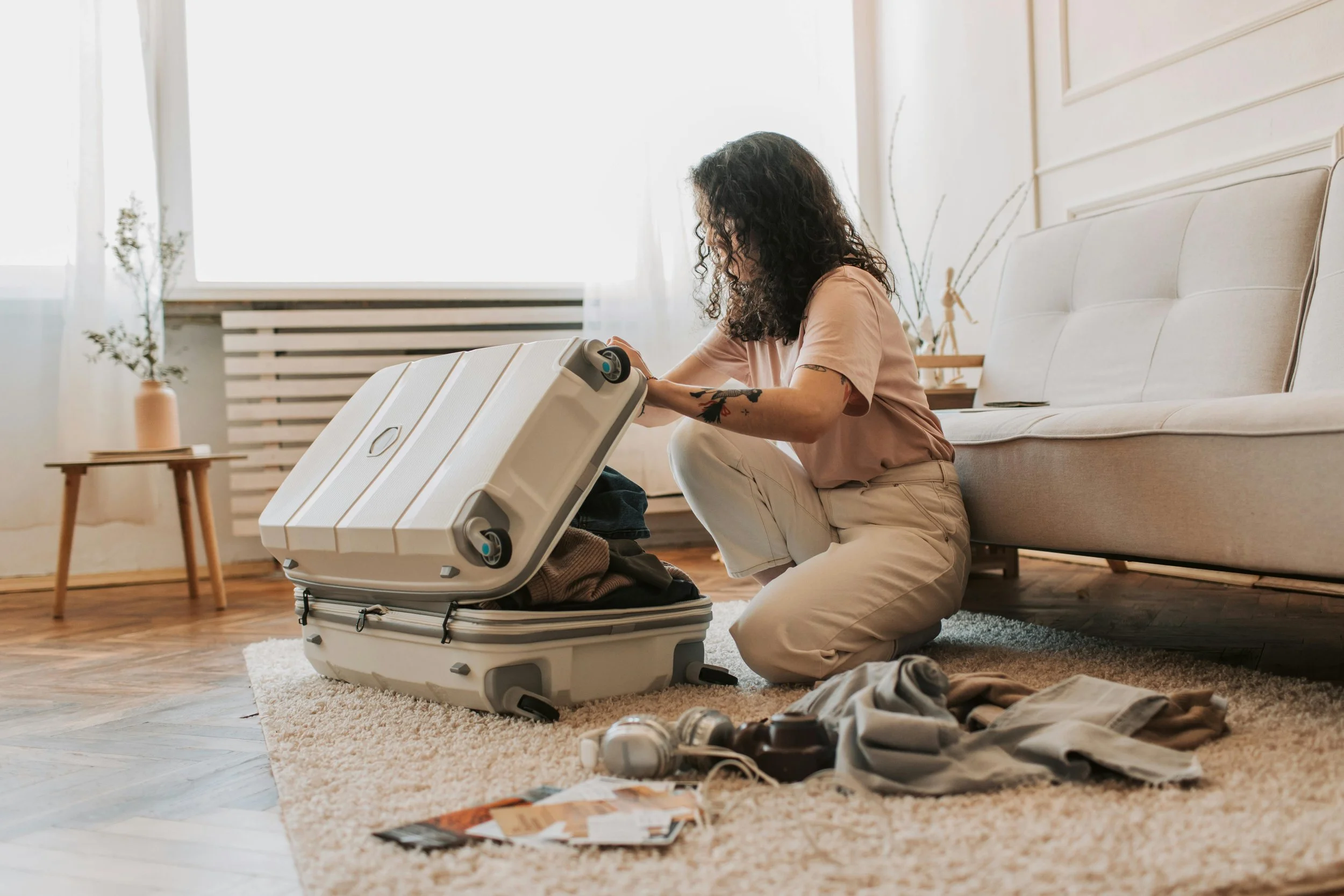
How exciting, it’s time to start thinking about what to pack for your au pair adventure abroad!
You know yourself best, but think of this guide as your go-to packing companion, shaped by the experiences of seasoned travellers and fellow au pairs.
This is not a checklist of things you need to go out and buy - it’s simply a practical guide to help you think through what may be useful, what you can probably leave behind, and what will make daily life abroad feel easier. It covers not just what to bring, but also what to sort out at home before you fly.
Start with these 10 practical tips, then use the checklist at the end before you zip up your suitcase.
1. Pack for Daily Life (Not Just the Highlight Reel)
It’s easy to imagine life abroad as cafés, sightseeing, and weekend trips — and those moments will absolutely happen.
But most days as an au pair look more like:
School runs and busy mornings
Carrying bags, snacks, and sometimes children
Playing on the floor or at the park
Staying active all day
If an on-duty outfit wouldn’t survive bending, walking, lifting, and child-chasing, it probably shouldn’t come.
2. Prioritize Comfort and Practicality
You don’t want to be thinking about your clothes while on duty with the children.
Choose:
Soft, breathable fabrics
Easy-wash, low-maintenance pieces
Relaxed, non-restrictive fits that you do not have to constantly adjust
Family-appropriate, non-revealing clothes that are not too short or low-cut
The best outfits are the ones you barely notice you’re wearing.
3. Pack a Few Polished Essentials
Most of the time you’ll dress casually, but there are situations where you’ll want to look a bit more put-together at short notice:
Meeting other parents at playdates or after-school activities
Talking with teachers during school drop-offs or pick-ups
Going out with your host family after a day of childcare
Keeping these situations in mind may prompt you to pack a few simple go-to items that help you feel more polished, such as a cardigan or blazer for easy layering, a nice top that doesn’t wrinkle, and small refresh items like lip balm, wipes, a comb, or a stain remover pen.
4. Build a Mix-and-Match Wardrobe
The goal isn’t more clothes - it’s more combinations.
Stick to:
Neutral colours that mix and match easily
Pieces that layer well
Wrinkle-resistant fabrics
Choose items that work across multiple outfits to simplify both packing and your mornings.
5. Choose a Smart Luggage Setup
Keep your luggage simple and functional:
Large suitcase → main belongings
Backpack → carry-on and everyday au pair bag; keeps your hands free while travelling or with the children
Crossbody purse → valuables such as your passport, phone, and wallet; keeps essentials secure and close to your body to help reduce loss or theft
Tote bag → extras, groceries, and outings; folds away easily and gives you flexible extra carrying space
Before flying, check your airline’s checked luggage allowance and weigh your suitcase at home if possible, so there are no surprises at the airport.
6. Save Space Wherever You Can
Small packing tricks can make a big difference:
Lay bulkier items flat in your suitcase instead of folding them, or try packing vertically with your suitcase upright
Roll softer items to save space
Wear your heavier pieces on travel day
Packing efficiently means you can either bring more with you or leave space for things you pick up on your adventures.
7. Keep Travel Essentials in Your Carry-On
Your carry-on should cover everything you’ll need to stay comfortable during the journey.
Pack:
Reusable water bottle for airport refills and staying hydrated
Phone, charger, and power bank
Eye mask and earplugs
Travel-size toiletries
Hand sanitizer and skin-safe wipes
An extra layer, such as a coat, jumper, sweater, or large scarf
Passport, visa, and all important documents, ideally in a ziplock bag or spill-safe cover, especially your passport
These items also make things much easier if your checked luggage is delayed.
If there is room, you can also move a few heavier items into your carry-on to take pressure off your checked luggage if you are close to the weight limit.
8. Practical Advice from Au Pairs
These are tried-and-true items that directly support your role and help you feel prepared in your new environment:
Comfortable, supportive shoes with grip, ideally waterproof and easy to clean
A notebook or planner for keeping track of your schedule, events, training notes, and routines
Leave-in conditioner to help detangle and protect your hair on busy days with children
Heatless hair styling tools, or buy heated hair tools abroad to avoid worrying about voltage differences or adapters
Simple accessories to elevate basic outfits and change up your look, but try not to bring expensive jewellery
A small travel steamer to quickly remove wrinkles and freshen clothes
A large scarf or pashmina, which can double as a travel blanket or pillow, a warm layer, extra coverage in more conservative settings, or a simple accessory
A small gift from home for your host parents or host children as a thoughtful gesture on arrival
These recommendations from our experienced au pairs can help you stay organised, make a good first impression, and settle into daily life more smoothly.
9. Tech Advice from Experienced Travellers
These small additions don’t take up much space, but they can make travel and daily life noticeably easier.
Bring:
A high-quality universal adapter, ideally two if possible
A small power strip so you can charge multiple devices at once
A power bank to keep your phone charged on the go
Having a charged phone is essential for safety when you’re with the children and so your host family can reach you.
Once you arrive, you may prefer to buy local chargers for your everyday devices so you do not always need to rely on an adapter.
10. Prepare Before You Go
Completing these simple admin tasks before you leave will help you arrive feeling confident, organised, and prepared:
Cancel or pause any services, bills, or subscriptions you won’t need while you’re overseas
Notify your bank that you’ll be overseas to avoid your card being blocked for security reasons
Get an eSIM for your phone so you have data from the moment you land
Download useful basics such as Google Maps and a currency converter. If you like apps, we have plenty of other travel recommendations too - just ask us
Consider ordering a Wise or Monese bank card that you can load and use worldwide. Fees are low, and you can pay for things in local currency with just a tap
Keep paper copies of your passport, visa, au pair contract, and travel insurance, and make sure you can access other important documents digitally
Download any maps, films, podcasts, or playlists you might want to use while travelling without data
You can also set up a local SIM or eSIM and open a bank account once you arrive, but these steps will help you travel smarter and feel more prepared from the start.
Packing Checklist
Please note that all items except for your documents are optional - you know yourself best - but use this as a rough guide to cover your bases.
Clothing & Shoes
Everyday tops, both sleeved and sleeveless
Trousers, jeans, leggings, and comfortable pants
Shorts, skirts, dresses, and blouses
Underwear, bras, and socks
Pyjamas and loungewear
Jumpers, sweaters, cardigans, and a blazer
Light jacket and raincoat
Sun hat
Seasonal items such as a warm coat, beanie, gloves, or thermals
Comfortable everyday walking shoes
Sandals or flats
Boots or weatherproof shoes
A few outfits for time off, social plans, or outings, with suitable shoes
Large scarf or pashmina
Accessories
Swimsuit
Toiletries & Personal Care
Toothbrush, toothpaste, and floss
Shampoo, conditioner, and any leave-in or everyday haircare products you rely on
Body wash
Makeup, and skincare, such as cleanser, moisturizer, and sunscreen (body and face)
Deodorant
Razor and grooming tools, such as a nail file, clippers, and tweezers
Hairbrush, small comb, and hair ties
Personal hygiene products
Choose travel-sized versions of anything that is easy to restock once you arrive. For essentials you cannot live without, check whether they are available overseas or whether it is worth bringing a backup supply with you.
Electronics
Phone and charger
Laptop, iPad, or tablet and charger
Headphones
Universal adapter
Power bank
Power strip
Clothing steamer
Camera
Travel & Extras
Reusable water bottle
Sunglasses, glasses, or contact lenses
Notebook or planner
Stain remover pen
Hand sanitizer and wipes
Bandaids
Pain relief and vitamins
Small umbrella
Padlock for lockers and your suitcase while travelling
Eye mask and earplugs
A quick-dry towel or thin picnic blanket, only if you have extra space
Small gift from home for your host parents or host children as a nice gesture on arrival
Essential Items
Passport and visa
Travel insurance
Flight confirmations
Au pair contract
Emergency contacts
An international bank card and/or credit card (some cards, such as EFTPOS cards, may not be suitable for international payments)
Any prescription medication in its original packaging, along with your prescription and a doctor’s note (you can usually bring up to a three-month supply)
A Final Note Before You Zip
You do not need to pack perfectly - most things can easily be bought once you arrive.
Focus on:
Your passport, visa, and important documents
What supports your daily life with children
What keeps you comfortable
A few things that help you feel like yourself
We hope this guide has helped you feel more confident and prepared for the trip ahead.
We’re here if you have any questions (or if you need a bit of moral support while staring at your empty suitcase). Otherwise, happy packing!