Practical Nutrition Tips for Au Pairs: Healthy Meals, Snacks & Happier Kids
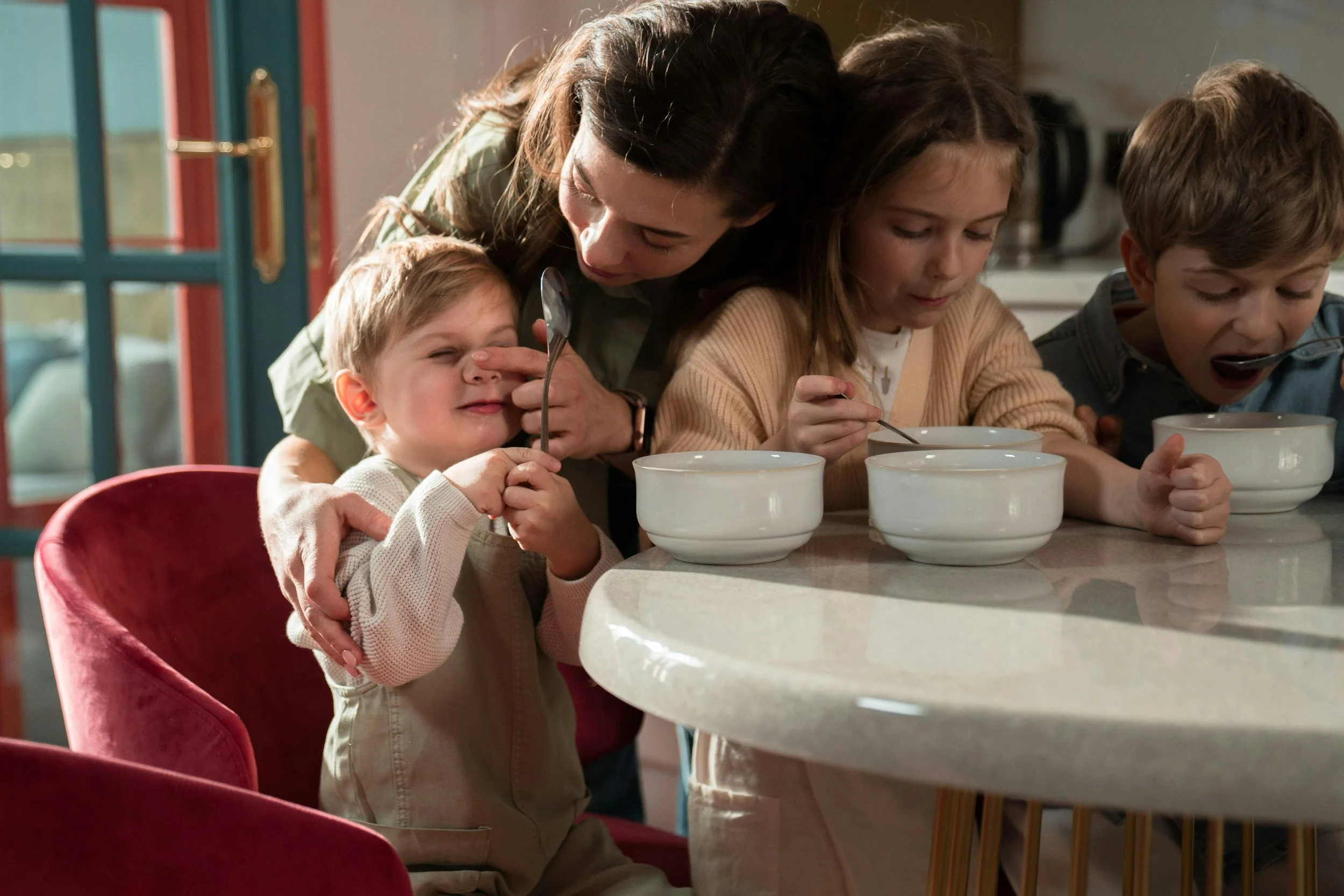
One of your regular responsibilities as an au pair will likely include preparing simple meals and snacks for the children. While this may sound pretty straightforward, food actually plays a huge role in children’s mood, focus, energy levels, emotional regulation, sleep, and overall wellbeing.
If you want calmer kids, fewer meltdowns, smoother afternoons, and more stable energy, start by paying attention to whether the children are well-fed, hydrated, and getting balanced meals and snacks throughout the day.
Every family will have different routines, favourite meals, go-to ingredients, and nutritional goals. Great au pairs learn how to support these routines consistently while also making healthy eating feel positive, approachable, and enjoyable for children.
Following these 10 tips can make your experience as an au pair smoother, calmer, and much more enjoyable for both you and the children.
1. Align with Your Host Family’s Preferences
Before jumping into meal prep, take time to understand the household’s routines and expectations around food.
Always follow guidance regarding:
Favourite meals and ingredients
Nutritional goals
Allergies and intolerances
Dietary preferences
Cultural considerations
Household “sugar rules”
Mealtime routines and expectations
Start with what already works well for the household and look for small ways to improve nutrition, organization, or efficiency over time.
2. Focus on Balanced Meals
Balanced meals help support:
Stable energy
Better focus
Emotional regulation
Longer-lasting fullness
Healthy physical and cognitive development
When possible, try to include:
Protein
Complex carbohydrates
Healthy fats
Fruits or vegetables
Even tiny additions can make a difference. Sometimes simply adding a favourite fruit or a tolerated vegetable to a familiar meal like mac & cheese is already a win.
3. Be Proactive & Think Ahead
Great au pairs learn to anticipate children’s needs and prevent meltdowns before they happen.
A lot of behavioural struggles in children are connected to:
Hunger
Fatigue
Dehydration
Overstimulation
Blood sugar crashes
Try to always have:
Water
Juice
Balanced snacks
Easy meals
available during:
School pickups
Extracurricular activities
Long errands
Outings and travel days
When children’s basic needs are consistently met, they are often calmer, more cooperative, more confident, and better able to enjoy activities and transitions.
4. Make Healthy Food Fun & Appealing
Children are often much more willing to try healthy foods when they are presented in playful and visually interesting ways.
Simple ideas include:
Pancakes shaped like animals
Star-shaped fruit
Colourful yogurt smoothies (use blueberry, beetroot, carrot, or even spinach for fun natural colours)
Rainbow fruit or veggie platters with dips
Being creative with food can actually make healthy eating more enjoyable for both you and the children.
5. Integrate “Hidden” Nutrition
One of the easiest ways to boost nutrition is by quietly adding healthy ingredients into foods children already enjoy.
We’re big fans of the classic “veggie chocolate muffin” - adding grated zucchini or carrot into chocolate muffins creates a nutrient-dense snack that still feels fun and familiar for children.
Other simple ideas include:
Oats, banana, or blueberries blended into pancake batter (we love this simple 3-ingredient recipe)
Almond flour added into baking
Fruit and vegetables blended into juices or smoothies
Swapping frozen fries for homemade baked wedges or sweet potato fries
Small additions can make everyday meals much more nutritious without creating pressure around food.
6. Use Low-Pressure Snack Opportunities
Sometimes children are more willing to eat healthy foods during relaxed play than at a formal table setting.
Try quietly placing a colourful fruit or veggie platter nearby while children are:
Building LEGO
Drawing
Playing outside
Watching a movie
Reading
This low-pressure approach allows children to snack naturally, or even try new foods, without feeling controlled or pressured.
7. Involve Little Chefs in the Kitchen
Children are often more interested in food when they help prepare it themselves.
Depending on age, children can help:
Wash fruit and vegetables
Stir batter
Measure ingredients
Transfer ingredients
Use child-safe knives for soft foods
Cooking together also supports:
Confidence
Independence
Motor skills
Emotional connection
Early math and measuring skills
Plus, children usually feel very proud showing parents something they helped create.
8. Avoid Using Food as a Reward or Punishment
To help children develop a healthy long-term relationship with food, avoid using treats as emotional leverage or withholding food as punishment.
Instead, try using our trusty “When-Then” approach.
Instead of:
“If you don’t eat your vegetables, you can’t go outside to play.”
Try:
“When you finish your vegetables, then we can go outside to play.”
This approach gives children a sense of control while keeping boundaries calm, predictable, and less emotionally charged.
9. Create a Positive Mealtime Atmosphere
Children often remember the feeling of a meal more than the actual food itself.
Aim to create a calm, connected atmosphere by:
Sitting with children while they eat when possible
Limiting digital distractions
Encouraging positive conversation
Avoiding pressure or conflict around food
Modelling balanced eating habits yourself
You can play a meaningful role in making mealtimes something children actually look forward to.
10. Strategic Preparation Makes Life Easier
Whenever you find small windows of time - while children are napping, drawing nearby, or independently playing - use those moments to prepare meals and snacks ahead of time.
Helpful ideas include:
Pre-cut fruit and vegetables stored in containers
Homemade muffins with fruit or vegetables added in
Egg breakfast cups with protein and veggies
Simple sauces or soups frozen in advance
Overnight oats or smoothie ingredients prepped ahead of time
School bags packed with snacks and water bottles the night before
Preparation helps busy family routines run much more smoothly and reduces stress later in the day.
Final Thoughts
You do not need to be a professional chef or nutrition expert to positively influence children’s health and wellbeing.
Small, consistent habits - like offering water regularly, preparing balanced snacks, involving children in cooking, and helping mealtimes feel calm and positive - often make the biggest difference.
Helping children feel nourished, healthy, regulated, and cared for is one of the most meaningful ways an au pair can positively contribute to family life - and it often leads to a smoother, calmer, and more enjoyable experience for everyone involved.
If you have any favourite nutrition tips, snack ideas, or healthy meal hacks from your own childcare or au pair experience, drop us a message - we’d love to hear them and continue adding to the list!